
Home Vastu Design: Transform Your Living Space with Positive Energy
Understanding residential Vastu design is important, but applying it correctly in daily life to receive its full advantages is a completely different challenge. When these two aspects come together, they ensure harmony, prosperity, and well-being for every member of the household.
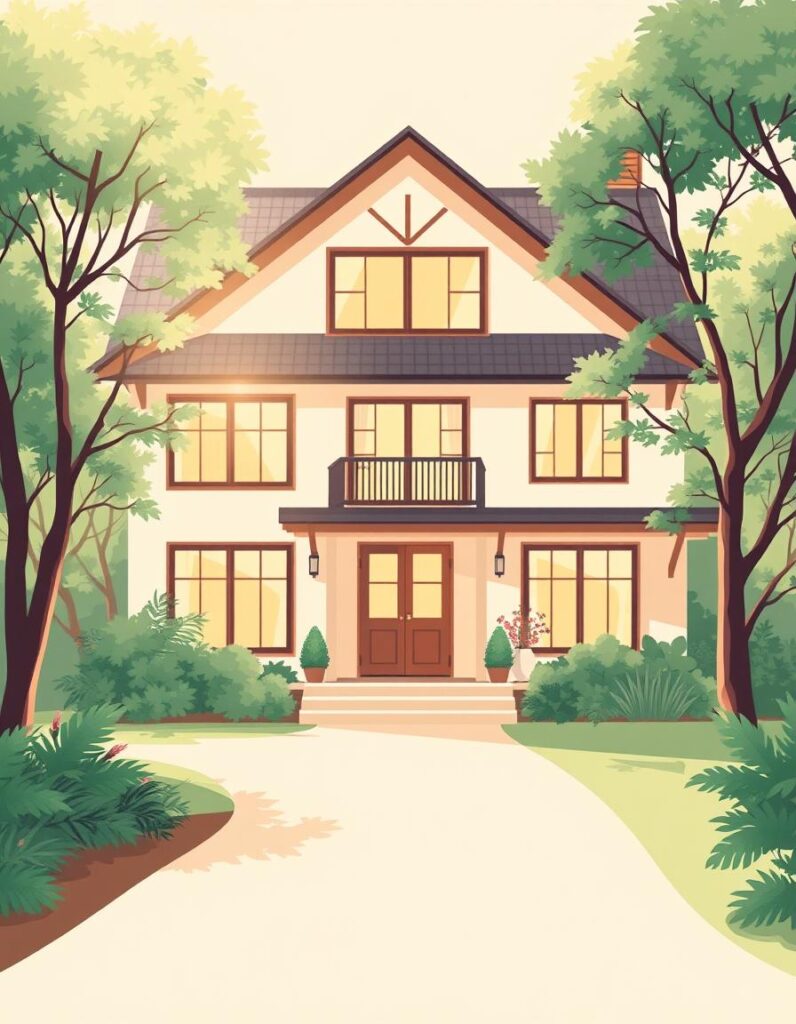
Key Elements to Consider for Vastu for House
The principles of vastu for house focus on even the smallest details that influence the overall energy of your home. These elements include:
Main Entrance Direction
The first step to positivity starts at your home's entrance.
Furniture Placement & Direction
Align furniture according to Vastu to ensure smooth energy flow.
Wall Height, Slope & Thickness
Structural elements affect energy accumulation and circulation.
Water Flow & Drainage
Placement of taps, sinks, and water outlets matters for balancing energies.
Staircase Location & Number
Correct positioning avoids energy blockages in multi-storey homes.
Lighting & Ventilation
Proper natural light and airflow bring harmony, vitality, and freshness into the living space.
Vastu for Home: Room-Specific Guidelines
Every room in your home holds a unique purpose, so designing it according to residential vastu ensures balance and positivity. Here’s a detailed look:
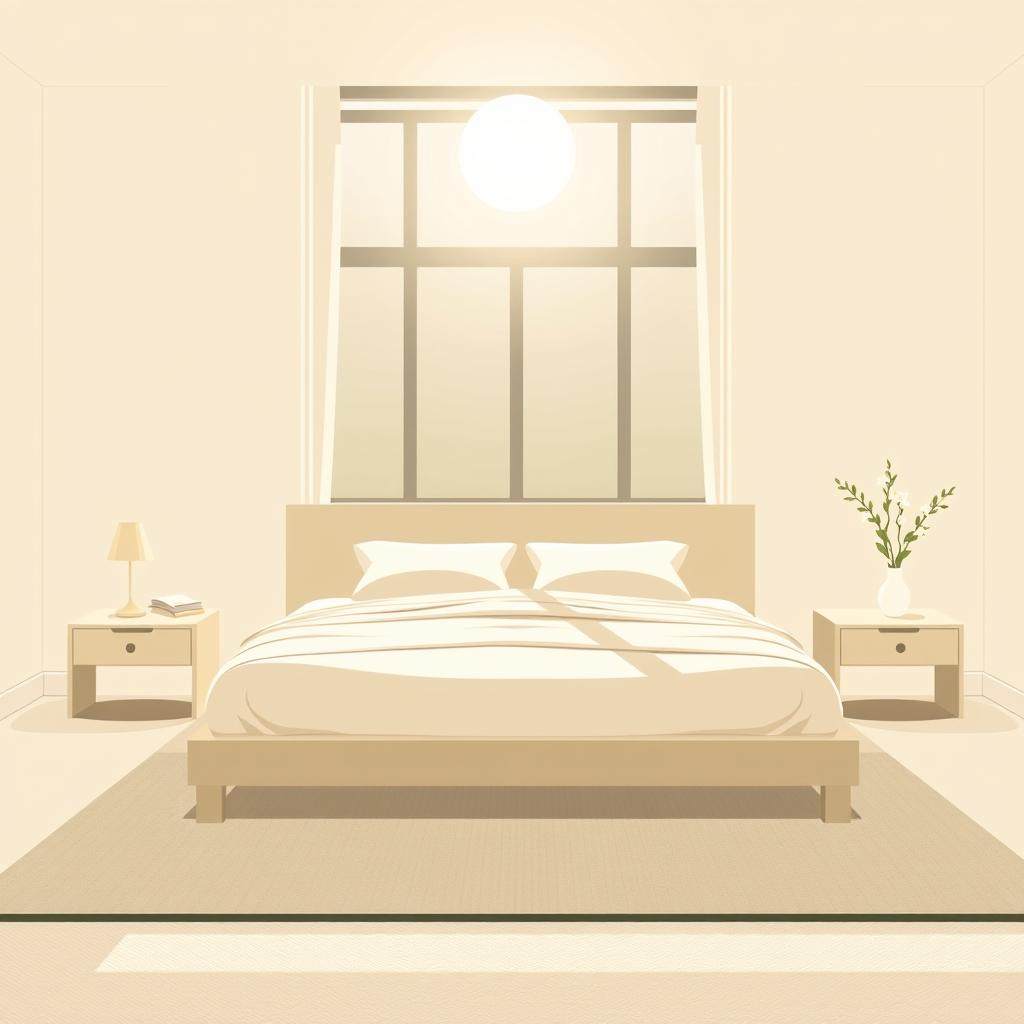
Bedroom
A bedroom should be soothing and relaxing. Proper placement of the bed, wardrobe, and windows according to Vastu enhances rest and rejuvenation.
Living Room
Residential Vastu tips for living room include placing seating arrangements in a way that encourages conversation and harmony, while ensuring sunlight and airflow enter appropriately.
Kitchen
Your kitchen is the source of livelihood. Kitchen vastu tips suggest positioning the cooking stove in the southeast and avoiding clutter for better prosperity.
Vastu for Home: Room-Specific Guidelines

Pooja Room
The spiritual heart of a home, this room should face the northeast to enhance positive energy and spiritual growth.

Study Room
For children and adults alike, a study room aligned with Vastu promotes focus, creativity, and success in studies or work.

Bathroom & Toilet
Proper placement ensures the removal of stagnant energy and promotes health and hygiene.

Kid's Room
A room built with vastu for apartment principles protects your children from negative energies and fosters growth and positivity.

Store Room
Even storage spaces have energy implications. Set them in alignment with Vastu for a well-balanced and positive home environment.

Guest Room
Guests carry their energy into your home. Accurate placement of this room encourages a harmonious atmosphere and avoids clashes.
Importance of Correct Vastu for Home
Home residential vastu design is more than aesthetics; it’s about the cosmic impact of your living space. Proper Vastu ensures:
- Positive mindset and lifestyle
- Strengthened family bonds
- Reduced health issues
- Resolution of daily life challenges
- Resolution of daily life challenges
Identifying Vastu Dosh in Your Home
Ignoring Vastu can lead to subtle but persistent problems. Signs of bad Vastu include:
- Frequent disagreements among family members
- Legal or financial hurdles
- Persistent health issues
- Disturbed peace or mental unrest
Residential Vastu dosh remedies can help correct these flaws without major reconstruction, restoring balance and positive energy in your home.
Common Myths About Vastu for Home
Residential Vastu Modern homeowners sometimes underestimate the importance of expert guidance in house layout according to Vastu. Common misconceptions include:
Believing online tips are sufficient without consulting a Vastu expert
Thinking that a few adjustments are sufficient without properly observing Vastu rules
Assuming Vastu is outdated or irrelevant in contemporary home design
A professional approach ensures your home reaps the maximum benefits of home entrance vastu, vastu for office at home, and other spatial arrangements.
Home Vastu Design: FAQs
Here’s an expanded FAQ section covering essential aspects of home vastu design, vastu for apartment, and other residential vastu tips.
What is Home Vastu Design?
Home Vastu Design is the practice of arranging your house layout, furniture, and rooms according to the principles of Vastu Shastra to ensure positive energy, harmony, and prosperity in the home.
Why is Vastu Important for Apartments?
Vastu for apartment ensures that even limited spaces are optimized for energy flow, helping maintain balance for health, career, and family relationships despite space constraints.
What is the Ideal Direction for the Main Entrance?
According to home entrance vastu, the main door should ideally face East, North, or Northeast to allow positive energy and sunlight into your home.
For vastu tips for living room, arrange furniture to promote conversation and harmony. Ensure seating faces East or North and avoid clutter for smooth energy flow.
Kitchen vastu tips suggest placing the kitchen in the Southeast corner. Placing the cooking stove in the East direction promotes harmony, wealth, and well-being.
Yes. Vastu for office at home involves placing the workstation in the Southwest or West direction, with the desk facing North or East, enhancing productivity and focus.
When Vastu is not aligned, it may result in family disharmony, financial insecurity, health complications, and negative energy. Correcting these flaws with Vastu remedies restores harmony.
Beds should be placed so that your head points South while sleeping. Avoid mirrors facing the bed and keep the room clutter-free to enhance restful energy.
Toilets should ideally be in the Northwest or Southeast direction. Proper ventilation and drainage are essential to avoid stagnant negative energy.
Absolutely. Minor adjustments like repositioning furniture, mirrors, or plants and using vastu dosh remedies can improve energy flow without structural changes.
Ensure the guest room follows house vastu directions by placing beds in the South or West direction and keeping the room tidy. This protects your home’s harmony when guests visit.
No. Vastu Shastra home plan combines architecture, science, and cosmic principles to create homes that promote well-being, harmony, and productivity.
The Pooja room should ideally face Northeast. Decluttering and ensuring proper lighting can significantly improve the flow of positive and spiritual energy indoors.
Vastu for house suggests placing beds with the head towards South or East, study tables in the Northeast, and bright colors to create a nurturing and positive environment for children.
Yes. Following residential vastu tips like correct bedroom placement, living room orientation, and main entrance alignment can strengthen bonds, reduce conflicts, and create a harmonious home atmosphere.
Final Thoughts
Home Vastu Design is not about superstition—it’s a timeless science of balancing energies within your living space. By aligning your home with Vastu principles, you invite positivity, prosperity, and well-being into your life. Whether you live in an apartment, an independent house, or a modern flat, even small adjustments can create profound changes in energy flow.
If inner calm and harmony are your goals, consulting a Vastu expert can help reshape your living space accordingly. Remember, your home is more than just walls and furniture—it’s the foundation of your family’s happiness, health, and success.